NRI Income Tax Compliance
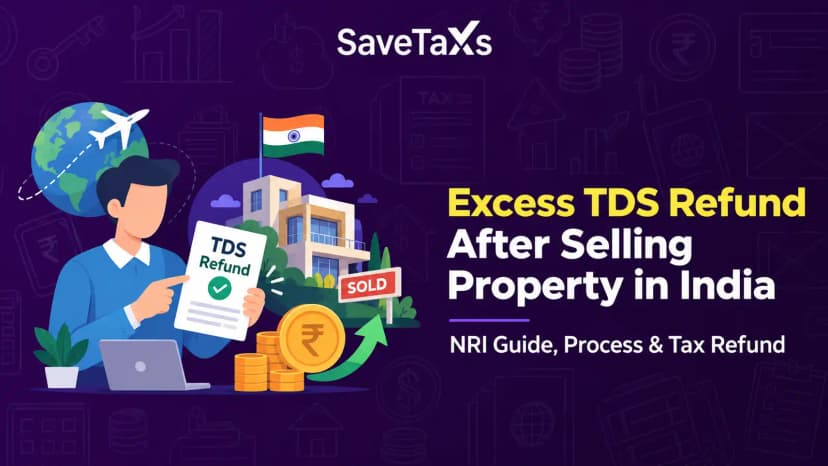
How to Claim Excess TDS Refund After Selling Property in India as an NRIHow to Claim Excess TDS Refund After Selling Property in India as an NRI
Written by Shubham Jain

_1785739359842.webp&w=3840&q=75)
As the date of 31 July approaches, so does the deadline for filing income tax returns for salaried taxpayers, who still have the option to review their income tax regime and choose between the old and the new tax regime.
The default option is the new tax regime, and the eligible taxpayers can choose between the two tax regimes at the time of filing their return and calculate their overall tax liability.
In this blog, we will understand whether you can change your income tax regime while filing your ITR.
Yes, salaried individuals can choose a different tax regime while filing their ITR, even if their employers have calculated the TDS under a different regime.
Mr. Nishant Shanler, Tax & Investment Expert, Navraj Global Advisors explains, "The tax regime selected by the employers for the TDS purpose is only for the withholding tax. The taxpayer is free to choose the more beneficial regime while filing the ITR. The final tax liability is determined based on the regime selected in the return".
No, salaried individuals have greater flexibility compared with taxpayers having business or professional income.
Mr Shanker highlights, "Salaried taxpayers can choose between the old and the new tax regimes every year while filing their return. However, taxpayers with business or professional income are subject to strict provisions and cannot freely switch between the regimes".
Further, Divnay Bhutra S, Tax Expert at ClearTax, explains that taxpayers with professional or business income are responsible for following a specific opt-in or opt-out procedure, including filing Form 10-IEA wherever applicable.
The overall final tax liability is based on the income tax regime selected in the ITR and the deductions that are claimed under that regime.
Bhutra further explains that "if the TDS deducted by the employer is higher than the final tax liability under the regime chosen in the ITR, the taxpayer may get the refund. If the final tax payable is higher, the taxpayer may need to pay the balance tax, and interest may also apply if there is outstanding tax".
While salaried taxpayers typically have the flexibility to change their regime, they must meet the conditions that are applicable to the selected options.
Shanker further explains, "For taxpayers with options for the old regime, it is highly important to ensure that they are eligible for the deductions and the exemptions claimed and have the necessary documents to support them".
Bhutra then highlights that the taxpayer can switch the tax regime only if they file their tax return correctly and within the given timeline, which is July 31 for ITR-1 and ITR-2 (for NRIs) filers.
To add more, Bhutra says, "Taxpayers who are filing the belated returns cannot opt for the old tax regime and may lose the flexibility that is available to those filing their original returns within the due date. Salaried taxpayers having a certain business or professional income also face restrictions in the yearly regime switch, he adds further.
Taxpayers can select their preferred tax regime while filing their returns on the income tax e-filing portal. Bhutra further shares the overall steps involved.
Shankar advised taxpayers to compare their tax liability under both regimes before filing their tax return to ensure that they choose the option that brings them the most benefit.
Savetaxs helps you manage your global income and taxes.
As an Indian taxpayer, choosing your income tax regime is one of the most impactful decisions a salaried taxpayer can make before filing their ITR. With the new income tax regime as the default, it is easy to compare your liability under both options before submitting your return. Do not rely just on your employer TDS; the final choice must be yours to select the regime.
If you need any kind of help in comparing regimes, maximizing your tax savings, and filing your returns, Savetaxs is the name to trust. Our tax experts are available 24/7 to ensure you file under the most beneficial regime with complete accuracy.
This article is for general informational purposes only and does not constitute tax, legal, financial, or investment advice. Laws, regulations, rates, and procedures may change over time and may vary based on individual circumstances.
While SaveTaxs makes reasonable efforts to keep the information accurate and up to date, readers should verify applicable rules with official authorities or consult a qualified professional before making decisions based on this information.
Shubham Jain is the Founder of SaveTaxs and has extensive experience in Indian and NRI taxation. He advises individuals, NRIs, and businesses on tax filing, tax planning, capital gains, DTAA benefits, fund repatriation, and compliance matters. He regularly writes about taxation and related financial topics. His focus is on making complex tax concepts easy to understand. Through his articles, he helps taxpayers stay informed, avoid common mistakes, and stay compliant with Indian tax laws. See Full Bio
Want to read more? Explore Blogs