NRI Income Tax Compliance
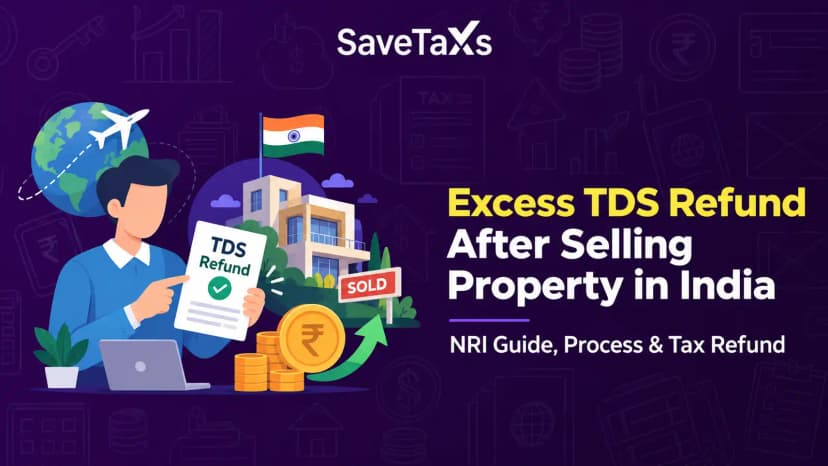
How to Claim Excess TDS Refund After Selling Property in India as an NRIHow to Claim Excess TDS Refund After Selling Property in India as an NRI
Written by Shubham Jain

_1768471286.webp&w=3840&q=75)
An assessing officer (AO) is an individual who has the authority to evaluate Income Tax Returns, and their jurisdiction is defined by section 120 of the Income Tax Act, 1961. Each taxpayer is assigned a specific jurisdictional AO based on the address linked to their Permanent Account Number (PAN) and their income level, enabling an organized and effective assessment process.
All communication between the income tax department and the taxpayer is required to go through the designated jurisdictional AO, who acts as the official income tax officer for each taxpayer. In this blog, we will learn more about who an assessing officer is and how to find your assessing officer.
The AO plays an important role in reviewing tax returns, whether they have been processed by the Centralized Processing Center (CPC) or not. This is to verify the accuracy of the reported income and identify any intentional/unintentional errors. This careful examination of income tax returns is known as 'Assessment'.
An assessing officer (AO) is an official from the Income Tax Department who is responsible for carrying out these assessments. They have jurisdiction over the assessment of taxpayers (assessee) who are obligated to pay taxes according to the law.
Here is a list of ranks in the income tax department in India:
The AO responsible for handling the return filed by you may vary based on the volume of income/ nature of trade as assigned by the Central Board of Direct Taxes (CBDT or Board).
Get expert guidance for all NRI PAN card needs, whether you need to apply, correct, or update your PAN card.
An AO is crucial for performing a detailed analysis of income tax returns to confirm their correctness, in accordance with tax regulations, various circulars, notifications, and directives from the Board, while making use of their judgment in interpretation.
During this process, the AO may recalculate a taxpayer's taxable income. Also, the AO has the authority to request books of accounts, supporting documents, or any other necessary information from the taxpayer through a notice for verification.
Upon completing the assessment, the AO issues a formal assessment order to the taxpayer, detailing any tax demand. Moreover, taxpayers can also contact the income tax department for various issues, including rectification of returns and refund requests.
Jurisdiction is vital for all interactions between the taxpayer and the income tax department. The jurisdiction of an AO defines the geographical area where the AO has authority and responsibilities. Based on their income level, taxpayers are categorized into specific ranges or circles.
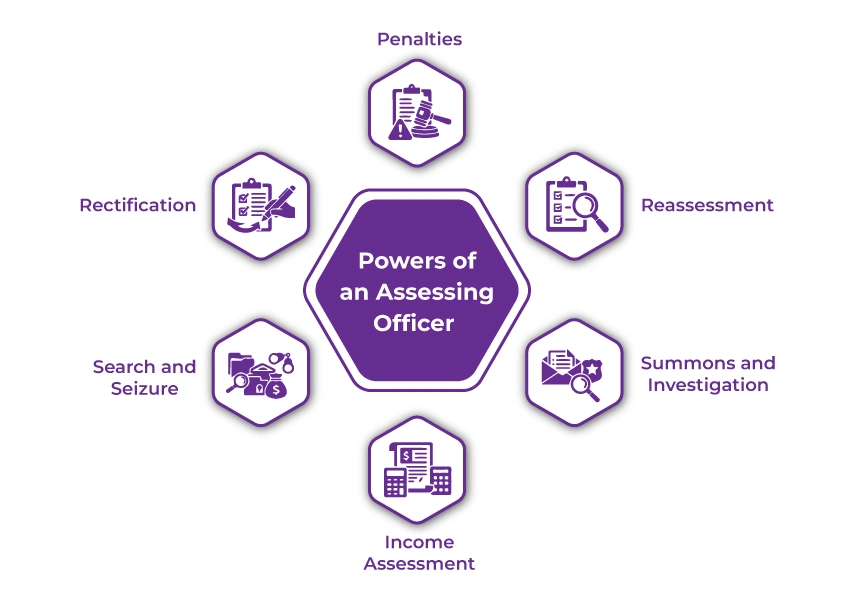
In India, the Assessing Officers (AOs) have significant powers under the Income Tax Act of 1961 to ensure adherence to tax laws and address evasion. Their main powers include the following:
To accurately manage your tax records in India, it's essential to find your jurisdictional AO code. Below are the steps to find your jurisdictional AO with and without logging into your profile.
Follow the steps below to find your jurisdictional AO details:
Here is the process to consider to find your jurisdictional AO details without logging into your profile:
Savetaxs dedicated team is available around the clock to provide expert assistance with your PAN card issues.
An Assessing Officer (AO) is an official from the Indian Income Tax Department. They are liable for reviewing and processing a taxpayer's income tax returns to ensure accuracy and compliance with tax laws. Knowing your AO is important for effective communication with the Income Tax department, particularly if you need to respond to a notice, file a rectification request, or need to follow up on a refund.
Additionally, if you need expert-backed assistance with tax filing or financial planning, Savetaxs is the name to trust. We have a team of experts who bring over 30 years of experience. Our financial experts ensure accurate filing of your returns while maximizing your refunds. We work 24/7 across all time zones, so it doesn't matter where you reside; you can contact our team anytime, and we will offer the best quality service to you.
This article is for general informational purposes only and does not constitute tax, legal, financial, or investment advice. Laws, regulations, rates, and procedures may change over time and may vary based on individual circumstances.
While SaveTaxs makes reasonable efforts to keep the information accurate and up to date, readers should verify applicable rules with official authorities or consult a qualified professional before making decisions based on this information.
Vipul Jain is the Co-Founder of SaveTaxs and a tax expert with experience in Indian and NRI taxation. He advises individuals, NRIs, and businesses on tax filing, tax planning, capital gains, DTAA, and compliance matters. He focuses on making complex tax concepts simple and helping taxpayers make informed, compliant decisions. See Full Bio
Want to read more? Explore Blogs